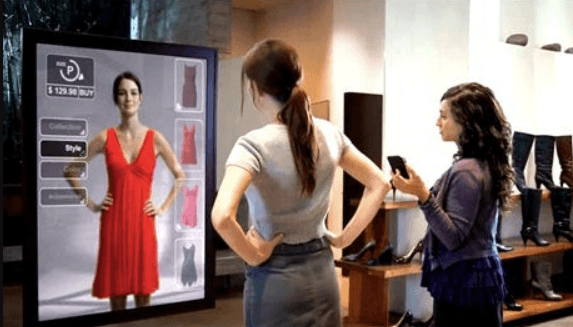
Augmented reality is reshaping fashion shopping by bridging discovery and decision through immersive try-ons, virtual tailoring, and data-driven fit insights. Mirrors, apps, and dedicated try-on tech offer varying accuracy, speed, and engagement, while cross-platform compatibility and privacy concerns shape adoption. Early adopters measure impact in reduced returns and personalized styling, yet the path to scalable implementation remains nuanced. The question persists: how will retailers balance experience, data, and practicality as AR matures?
How AR Transforms Fashion Shopping Today
AR technologies have rapidly reshaped how consumers assess fit, style, and desirability, enabling try-ons and visualizations without physical samples. The shift emphasizes immersive try ons and virtual tailoring as core capabilities, aligning with data-driven insights on fit accuracy, return reduction, and personalized aesthetics. Trends indicate scalable adoption across segments, empowering buyers to explore preferences with confidence and freedom.
Evaluating AR Tools: Mirrors, Apps, and Try-On Tech
Evaluating AR tools today requires a clear map of options: mirrors, mobile apps, and dedicated try-on technologies each deliver distinct advantages in fit accuracy, speed, and consumer engagement.
The landscape favors data-driven insights, with virtual try ons and face mcan integration shaping expectations, while cross-platform compatibility and privacy considerations guide adoption, highlighting trade-offs between realism, accessibility, and creative freedom for shoppers.
Practical Use Cases and Buyer Benefits
Practical use cases in fashion AR translate to tangible buyer benefits across the shopping journey, from discovery to decision.
Consumers experience quicker validation through virtual try on and seamless virtual fittings, reducing uncertainty and returns.
Brands gain data-driven insights on fit, styling, and preferences, enabling personalized recommendations.
The approach supports experimentation, confidence, and a sense of freedom in exploring diverse looks.
How to Get Started: Best Practices and Next Steps
To begin implementing AR in fashion shopping, teams should outline a clear roadmap grounded in measurable goals, user needs, and technical feasibility. The approach emphasizes style integration and enhanced user experience, using data-driven metrics to gauge impact. Next steps include rapid prototyping, cross-functional collaboration, and iterative testing, ensuring scalable deployments aligned with evolving trends while preserving consumer freedom and transparent value delivery.
Frequently Asked Questions
How Do AR Try-Ons Handle Color Accuracy Across Devices?
Inconsistent color calibration and cross device lighting variance challenge AR try-ons, yet researchers track device profiles and illuminate datasets. The approach aggregates calibration data, applying standardized color spaces to harmonize hues, enabling trend-aware, freedom-seeking users to compare reliably across devices.
See also: The Role of Technology in Organizational Innovation
What Privacy Issues ARise With AR Fashion Apps?
Ironically, the section notes privacy issues: AR fashion apps raise privacy pitfalls and data ownership concerns as cameras, sensors, and models capture biometric-ish data; analysts emphasize consent gaps, opaque data sharing, and potential manipulation despite user-desired freedom.
Can AR Shopping Reduce Return Rates Effectively?
AR adoption can reduce return rates modestly, but effectiveness varies by category and user segment; data suggests positive impact when fit visualization is accurate and seamless. Analysts track Return rate impact across cohorts, technologies, and seasonality for informed decisions.
ARe AR Features Accessible to Visually Impaired Shoppers?
Accessible interfaces and tactile feedback show promise for visually impaired shoppers, though adoption varies; juxtaposition of high-tech AR with sensory limits suggests inclusive design could expand access while revealing data gaps and trend potential.
How Does AR Influence Brand Storytelling in Fashion?
AR influences brand storytelling by streaming interactive narratives and consistent visuals, strengthening brand identity and elevating customer engagement; data trends show immersive cues boost recall, while freedom-seeking audiences respond to transparent, trend-aware cues shaping perception and loyalty.
Conclusion
In the showroom of tomorrow, AR paints a lens through which fashion unfolds—shimmering silhouettes mapped to each shopper’s scale, textures read with clinical precision, colors anchored to real lighting. Data threads weave from curiosity to conviction, guiding decisions as if a trusted stylist stood beside them. Mirrors glow with intent, apps whisper insights, and try-ons tighten the bond between desire and fit. The trend-forward future emerges: less guesswork, more confidence, and endlessly repeatable discovery.