Bringing home a fresh supply of frozen beef is only the first step toward a great meal; how you store and thaw it afterward plays just as important a role in determining whether you end up with tender, flavorful results or a disappointing dinner.
Why Thawing Technique Genuinely Matters
The way beef transitions from frozen to ready-to-cook directly affects both food safety and final texture, since improper thawing methods can create conditions for bacterial growth or cause uneven moisture loss that leaves the meat drier and less tender than it should be, making proper technique a genuinely worthwhile investment of attention.
The Refrigerator Method: Slow but Reliable
The safest and generally most quality-preserving approach involves transferring frozen beef from the freezer to the refrigerator well ahead of your planned cooking time, allowing it to thaw gradually at a consistently cold temperature that minimizes bacterial growth risk while helping the meat retain moisture more effectively than faster thawing methods.
Cold Water Thawing for Time-Pressed Cooks
When time doesn’t allow for refrigerator thawing, submerging sealed frozen beef in cold water, changing the water periodically to maintain temperature, offers a faster alternative that still maintains reasonable food safety standards, making it a practical option for frozen beef hong kongshoppers who decide on dinner plans later in the day than ideal refrigerator thawing timing would allow.
Why Room Temperature Thawing Should Be Avoided
Leaving frozen beef out on the counter to thaw at room temperature creates conditions where the outer portions of the meat can reach temperatures conducive to bacterial growth well before the center has fully thawed, making this method genuinely risky from a food safety perspective despite its apparent convenience.
Storage Practices That Preserve Quality
Proper freezer storage, including maintaining consistent low temperature and using appropriate airtight packaging to prevent freezer burn, helps preserve beef quality throughout its storage period, while organizing your freezer to use older stock before newer purchases helps ensure nothing gets forgotten and degraded from excessively long storage.
Portioning Before Freezing for Better Convenience
Many households find value in dividing larger beef purchases into meal-sized portions before freezing, rather than freezing one large block, since this approach allows thawing only the amount actually needed for a given meal rather than requiring an entire larger portion to thaw and potentially go partially to waste.
Recognizing When Beef Has Been Improperly Stored
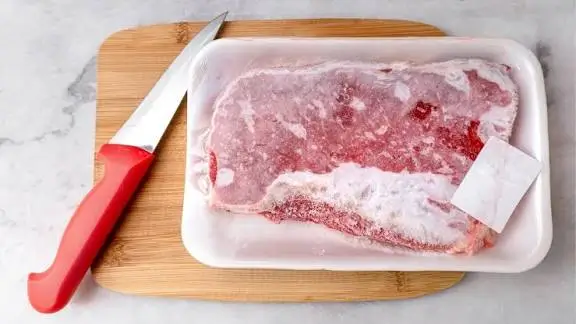
Learning to recognize signs of freezer burn or improper storage, including grayish discoloration or ice crystal buildup beyond normal frost, helps you make informed decisions about whether specific portions remain suitable for cooking or should be discarded for quality or safety reasons.
Conclusion
Proper thawing and storage technique represents an essential complement to selecting quality frozen beef in the first place, directly affecting both food safety and the final texture and flavor of your cooked dish. Taking the time to thaw beef correctly, ideally through gradual refrigerator thawing, helps ensure your frozen beef purchases deliver satisfying results every time.
FAQs
Q1: What is the safest way to thaw frozen beef? Gradual refrigerator thawing is generally the safest and most quality-preserving method, allowing the meat to thaw slowly at consistently cold temperatures that minimize bacterial growth risk.
Q2: Why shouldn’t beef be thawed at room temperature? Room temperature thawing allows outer portions of the meat to reach temperatures conducive to bacterial growth well before the center has fully thawed, creating genuine food safety risk.
Q3: Should I freeze beef in one large portion or divide it first? Dividing larger purchases into meal-sized portions before freezing allows you to thaw only what you need for a given meal, reducing waste compared to thawing one large block.