You may be hearing the same request over and over. Your teen wants whitening, bonding, veneers, or another appearance-based dental treatment, and to them it feels urgent. School photos, social media, sports banquets, prom, graduation. A small chip or uneven tooth can feel huge at that age. You are trying to sort out what is a passing insecurity, what is a reasonable request, and what could affect your child’s teeth for years. Talking with a dentist in Lancaster CA can help you understand the options and make a thoughtful decision.
That tension is real. Cosmetic treatment for teens is not just about looks. It touches growth, consent, oral health, cost, and emotional readiness. The right choice usually comes down to four things: whether the mouth is still developing, whether the teen understands the limits of treatment, whether the concern is cosmetic or tied to a larger oral health issue, and whether the timing makes sense for your family.
Physical growth often decides whether cosmetic dental treatment should wait
Teen teeth may look fully grown, but the bite, jaw, and gum line can still be changing. That matters because a treatment that looks balanced at 15 may not look the same at 18. A veneer placed too early, for example, may need replacement as the gums shift or the bite settles. Whitening may be simple, but even that should be weighed against enamel condition, sensitivity, and existing dental work that will not lighten with bleach.
This is where many parents feel stuck. The problem is not that the request is unreasonable. The problem is that timing can turn a simple cosmetic goal into repeat treatment. Research on oral health across the lifespan from the National Institute of Dental and Craniofacial Research shows how oral conditions, development, and access to care shape outcomes over time. For teens, growth is part of that picture.
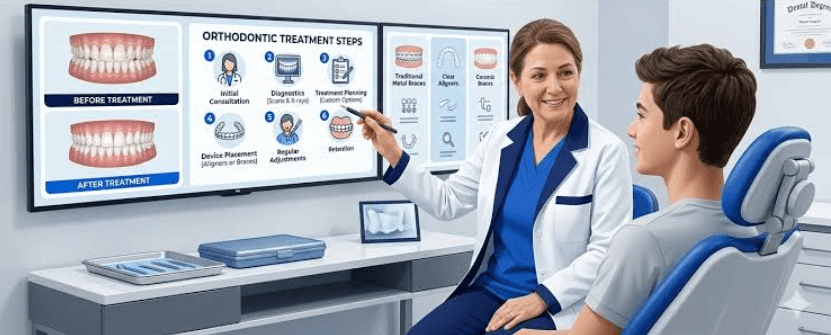
If your child still needs orthodontic work, has erupting teeth, or shows signs of grinding, cosmetic changes may be better delayed or adjusted. A careful exam in a general and cosmetic dental and medical spa setting can separate what can be done now from what should wait.
Emotional maturity matters as much as the smile itself
Some teens ask for cosmetic changes because they have a specific concern and a realistic goal. Others are reacting to pressure, teasing, or filtered images online. Those are not the same thing. A teen who says, “I want this small chip repaired because it bothers me when I smile,” is in a different place from a teen who believes one treatment will fix confidence, popularity, or self-worth.
Teen cosmetic dentistry readiness depends on whether your child can understand what the treatment can and cannot do. They should be able to explain why they want it, what the result may look like, what maintenance is involved, and what happens if they do nothing right now. Informed consent is not just a signature. The American Academy of Pediatric Dentistry guidance on informed consent makes clear that parents and patients need clear information about benefits, risks, options, and limits before treatment moves forward.
If a teen cannot tolerate a less than perfect result, or expects instant emotional relief from a cosmetic change, that is a sign to slow down. Waiting is not a rejection. It is protection.
Underlying oral health problems can make elective cosmetic dental care the wrong first step
A bright, even smile sits on top of basic oral health. Cavities, gum inflammation, weak enamel, jaw pain, and bite issues should come first. Cosmetic care can fail early when the foundation is not stable. Bonding chips faster in a heavy grinder’s mouth. Whitening hurts more when teeth are already sensitive. Veneers placed over untreated issues can lead to more treatment later.
This is one of the most overlooked parts of elective cosmetic dental care for teens. Families often come in focused on one visible detail, then learn there is a bigger issue driving it. A worn edge may not be just cosmetic. It may be from clenching. A dark tooth may reflect prior trauma. A “crooked smile” may really be a bite problem.
General dental evaluation also helps rule out cases where a cosmetic concern is tied to injury, developmental conditions, or medical factors. The clinical overview in StatPearls on oral health reflects how oral findings often connect with broader health patterns. That is one reason a full assessment matters before any elective treatment is scheduled.
Cost, upkeep, and family timing shape whether the choice makes sense now
Cosmetic dentistry is rarely one decision. It is usually a chain of decisions. Whitening may need touch-ups. Bonding may stain or chip. Veneers may need replacement years later. Even small treatments bring future upkeep, and teens are not always great at long term maintenance. If your child skips retainers, forgets a night guard, or struggles with brushing, that history matters.
Financial timing matters too. A modest treatment now can become expensive if it has to be redone after growth, sports injury, or orthodontic changes. There is nothing wrong with saying yes to a treatment that fits your budget and goals. There is also nothing wrong with saying not yet.
Comparing common readiness factors before cosmetic dental treatment
| Factor | Signs a Teen May Be Ready | Signs It May Be Better to Wait |
|---|---|---|
| Physical development | Stable bite, most adult teeth fully erupted, no major orthodontic changes ahead | Ongoing growth, braces planned, shifting gums or bite concerns |
| Emotional maturity | Clear goals, realistic expectations, understands maintenance and limits | Wants perfection, feels pressured by peers, expects treatment to solve self esteem issues |
| Oral health | Healthy gums, low cavity risk, good hygiene, no untreated pain or damage | Sensitivity, decay, grinding, gum inflammation, untreated trauma |
| Practical fit | Family accepts cost and follow up care, teen is likely to protect the result | Budget strain, poor compliance, sports or habits that raise breakage risk |
Clear next steps help parents make a calmer decision
Schedule a full evaluation, not just a cosmetic consult. Ask for a review of bite, enamel, gum health, growth, and habits like grinding or nail biting. A root service discussion about cosmetic dentistry should begin with overall oral health.
Ask your teen to explain the why in their own words. You want to hear whether this is a focused concern or a broader distress about appearance. Their answer often tells you more than the treatment request itself.
Request a phased plan. The best path may be “do now, revisit later.” That could mean polishing or bonding a small chip now, then waiting on more permanent cosmetic dental treatment until growth is complete.
If your teen keeps bringing this up, you do not need to decide in the heat of the moment. A thoughtful review of growth, expectations, oral health, and timing usually makes the answer much clearer. When you are ready, schedule a consultation with a provider who offers general and cosmetic dental and medical spa services and can help you weigh what is appropriate now and what is wiser to postpone.