You sit back in the chair, the lead apron goes on, and a few images are taken before you have time to think about it. Then the questions show up later. Why did I need those images? How much radiation was that? Could something have been missed? If you have ever nodded along during a dental visit and then wondered about your dental X rays on the drive home, you are not overreacting. You are paying attention, and a dentist in Burkburnett, TX can help answer those concerns.
Dental X rays are routine, but routine does not always feel clear. Most people want the same thing. They want to know what the images are for, whether they are safe, and how the results affect treatment and cost. A good general dentist should be able to answer those questions in plain language, without rushing you or making you feel awkward for asking.
Questions to ask about dental x-rays are not about challenging your dentist. They are about understanding your care. When you know what the images show, how often they are needed, and what options exist, it gets easier to make calm, informed decisions.
Dental X rays help find problems your dentist cannot see directly
A visual exam only goes so far. Cavities between teeth, bone loss, impacted teeth, infections near the root, and changes under old fillings often stay hidden without imaging. According to MedlinePlus information on dental x-rays, these images help dentists check areas that are not visible during a standard exam.
That is why the first question matters so much: What are you looking for with this X ray? The answer should fit your situation. A child may need images to track tooth development. An adult with gum disease may need them to check bone levels. Someone with pain may need a close look at one tooth. If the reason sounds vague, ask for more detail. “We want to check between the back teeth for decay” is clear. “We always do this” is less helpful.
This is also where many people start thinking about cost. If an image changes diagnosis or treatment, it usually has real value. If you do not understand the reason, the charge can feel random. That frustration is common, especially when you are already managing other health expenses.
See also: 4 Factors That Determine Whether A Teen Is Ready For Elective Cosmetic Dental Care
Radiation from dental imaging is low, but your history still matters
Radiation is the concern most patients carry quietly. You hear the word X ray and your mind goes straight to exposure. The good news is that medical and dental imaging uses controlled amounts of radiation, and the U.S. Food and Drug Administration explains that providers should keep exposure as low as reasonably achievable while still getting the needed image. You can read more in the FDA overview of medical X-ray imaging.
The next question to ask is: Do I need this image today, or can you use recent ones? If you changed offices or had imaging done not long ago, those records may still be useful. Bringing up pregnancy, frequent imaging, or a history of complex dental treatment also helps your dentist decide what is truly needed.
You do not need to panic over routine dental radiographs. You do need context. The safest approach is not avoiding all imaging. It is making sure each image has a reason behind it.
Different types of dental imaging answer different problems
Not every X ray does the same job. Bitewing images often look for cavities between teeth. Periapical images show the whole tooth and the surrounding bone. Panoramic images capture a broad view of the jaws and teeth. In some cases, a dentist may recommend 3D imaging, also called cone beam CT, when a standard image does not give enough detail for issues like implant planning, impacted teeth, or certain root problems. The FDA has a useful page on dental cone beam computed tomography.
That leads to another smart question: Why this type instead of a simpler one? If a small cavity check is the goal, a 3D scan may not make sense. If a tooth is close to a nerve or buried in bone, the extra detail may matter a lot. Dental radiographs should match the problem being solved.
| Imaging Type | Common Use | What to Ask |
|---|---|---|
| Bitewing | Checks for decay between teeth and some bone loss | Are you checking for cavities or changes in the gums and bone? |
| Periapical | Shows the full tooth and root area | Are you looking for infection, root damage, or a crack? |
| Panoramic | Shows all teeth, jaws, and some surrounding structures | Do you need a broad view for wisdom teeth, jaw issues, or planning? |
| Cone Beam CT | Provides 3D detail for complex cases | What detail will this show that a standard dental X ray will not? |
The best dental X ray questions focus on timing, findings, and next steps
If you want a short list to keep in your head during the appointment, focus on five things. What are you looking for? Why do I need this now? What kind of image is this? What did the image show? How will the result change treatment? Those are the 5 questions to ask about your dental x rays that give you the clearest picture of your care.
The fourth and fifth questions are often the most revealing. An image may show a tiny area to watch, not a problem that needs work right away. Or it may confirm that pain is coming from a cracked tooth, an abscess, or bone loss. Without that explanation, patients often hear “you need treatment” and feel cornered. With the explanation, the plan makes sense.
Clear next steps make general dentist visits less stressful
Ask for the reason in plain words. If the explanation sounds technical, slow it down. Ask what the image is meant to rule in or rule out. A good answer is specific and tied to your symptoms, age, dental history, or treatment plan.
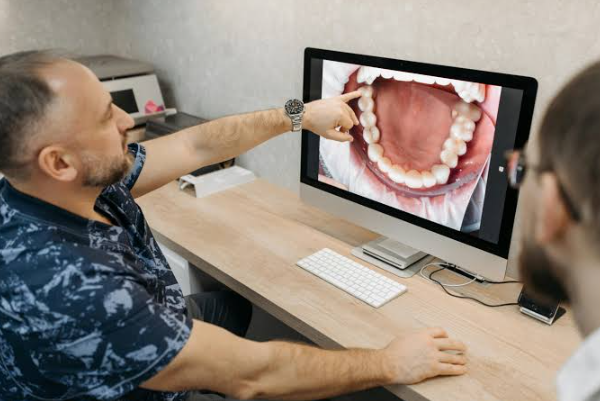
Ask to see the image. Many people understand their diagnosis much better once the dentist points to the area of concern. Seeing a dark spot near a root or the space where bone has receded can turn a confusing recommendation into something concrete.
Ask what happens if you wait. This question is useful when treatment is optional, expensive, or time sensitive. Some findings need prompt care. Some can be monitored. Knowing the likely risk of delay helps you decide without feeling pushed.
When you ask thoughtful questions, you are not being difficult. You are taking part in your own care, and that usually leads to better decisions, fewer surprises, and more trust in your general dentist. If something about your imaging or treatment plan feels unclear, speak up at your next visit and ask for answers you can actually use.