You brush, you floss when you can, and you probably tell yourself you will book that cleaning soon. Then life gets busy, a little sensitivity comes and goes, and it is easy to assume nothing is urgent. That is how small dental problems turn into bigger ones, which is why seeing a judgment-free dentist in Phoenix, AZ can make it easier to stay on track. A balanced smile does not usually fall apart all at once. It changes quietly, one skipped visit, one untreated cavity, one inflamed gumline at a time.
Why preventive dentistry is essential for a balanced, beautiful smile comes down to one simple truth. Prevention protects both health and appearance before damage has the chance to settle in. Cleanings, exams, early treatment, and steady home care help you avoid pain, control costs, and keep your smile looking natural for longer. If you want a smile that feels as good as it looks, prevention is where that starts.
Preventive dental care protects more than just your teeth
Many people think preventive care is mostly about avoiding cavities. It is bigger than that. Plaque does not only stain teeth or create decay. It also irritates the gums, and gum inflammation can lead to bleeding, recession, loose teeth, and changes in the shape of your smile. When your gums are not healthy, even bright white teeth can start to look uneven or tired.
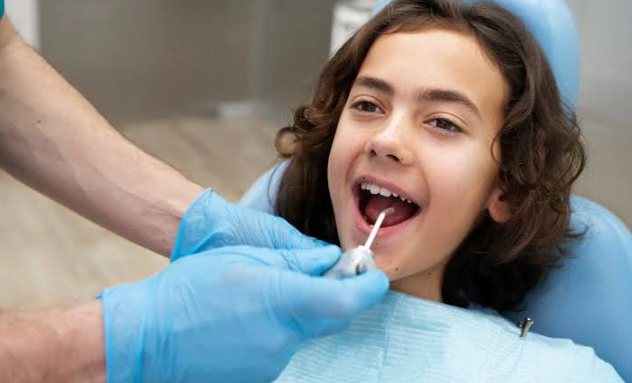
This is why routine visits with a general and cosmetic dentist matter. Preventive appointments give your dentist a chance to spot cracks, enamel wear, bite issues, grinding, gum disease, and early decay before those problems affect how you eat, speak, or smile in photos. A small filling is one thing. A crown, root canal, or tooth replacement is another story entirely.
There is also the daily reality most people know well. Dental pain rarely shows up at a convenient time. It hits before work, during a trip, or right before an event you cannot miss. Prevention lowers the chance that you end up making decisions from a place of stress.
Good home habits are part of this picture, too. The National Institute of Dental and Craniofacial Research offers clear guidance on oral hygiene basics, including brushing with fluoride toothpaste and cleaning between teeth every day. These habits sound simple because they are, but they work when you stay consistent.
See also: 4 Factors That Determine Whether A Teen Is Ready For Elective Cosmetic Dental Care
A beautiful smile depends on early care, not just cosmetic treatment
People often separate health and appearance, but your mouth does not. Stains may seem cosmetic, yet they can sit alongside tartar buildup and neglected cleanings. Chipped edges may look minor, yet they can come from grinding or weakened enamel. Bad breath may feel embarrassing, yet it often points to bacteria and gum problems that need attention.
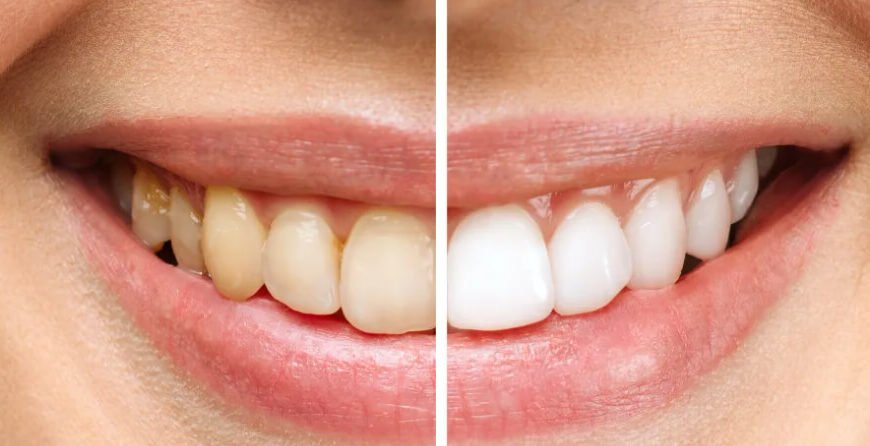
Preventive dental care for a beautiful smile means protecting the foundation before focusing on the finish. Whitening, bonding, veneers, and other cosmetic options can improve appearance, but they work best on healthy teeth and gums. If the base is unstable, cosmetic work becomes harder to maintain and more expensive to repair.
Think about two common situations. One person keeps regular exams and cleanings, catches a small cavity early, and gets it treated quickly. Another waits until the tooth hurts, then learns the decay has reached the nerve. Both wanted to save time and money. Only one actually did. That is the pattern with preventive care. The earlier you act, the more options you keep.
The CDC shares practical oral health tips for adults that support this approach, including regular dental visits, tobacco avoidance, and limiting sugary foods and drinks. These are not extreme changes. They are steady choices that reduce risk over time.
Preventive dentistry saves money, discomfort, and time
The cost of delaying care is not only financial, though that part matters. A missed cleaning can turn into gum treatment. A small area of decay can grow into a large restoration. A neglected crack can become a broken tooth. Prevention usually costs less because it aims to stop damage early, when treatment is simpler and recovery is easier.
| Situation | Preventive Approach | Likely Result | If Delayed |
|---|---|---|---|
| Plaque and tartar buildup | Routine cleaning and exam | Cleaner teeth, fresher breath, healthier gums | Gingivitis, deeper gum issues, more involved treatment |
| Early cavity | Detected at a checkup and treated promptly | Small filling, less tooth structure lost | Larger filling, crown, or root canal |
| Child or cavity prone adult | Fluoride support and sealants when appropriate | Lower risk of decay in vulnerable grooves | More frequent cavities and repeat treatment |
| Teeth grinding | Early diagnosis and a night guard | Less wear, fewer chips and jaw symptoms | Cracks, sensitivity, bite changes, costly repair |
Sealants are a good example of prevention that often gets overlooked. The NIDCR explains how dental sealants help protect the chewing surfaces of back teeth, where decay often starts. They are often discussed for children, but some adults can benefit too, depending on their risk and tooth anatomy.
Small preventive habits create long term smile balance
General dentistry is not only about fixing problems. It is about keeping your teeth, gums, bite, and appearance stable year after year. That stability is what gives a smile balance. Teeth look better when gums are healthy, enamel is preserved, and the bite is not wearing certain spots down faster than others.
If your smile already has a few issues, prevention still matters. It helps protect the work you have had done and lowers the chance that one problem triggers another. A crown still needs healthy surrounding gums. Whitening still looks better on a clean, well cared for smile. Even if you are planning cosmetic treatment, preventive care is what helps the result last.
Three steps you can take right now
1. Get honest about the signs you have been ignoring. Bleeding gums, sensitivity, bad breath, food getting stuck in one area, or a tooth that feels different all deserve attention. You do not need severe pain for something to be wrong.
2. Tighten your home routine. Brush twice a day with fluoride toothpaste, clean between your teeth daily, and cut back on frequent sugary snacks and drinks. Consistency matters more than perfection.
3. Schedule preventive visits before there is a problem. Regular exams and cleanings give you a chance to catch issues early, ask questions, and build a plan that protects both comfort and appearance.
A healthy smile rarely happens by accident. It is built through steady care, early attention, and choices that seem small until you add them up over time. Preventive dentistry gives you the best chance to keep your teeth strong, your gums healthy, and your smile balanced and attractive for years to come. If you have been putting off care, this is a good time to schedule a visit with a general and cosmetic dentist and get ahead of the problem before it asks more from you.