You look in the mirror and keep coming back to the same thought. Something about your smile feels off, but the fix is not obvious. Maybe your teeth are stained from coffee or wine. Maybe one tooth has a chip or a shape that catches your eye every time you talk. A Medford dentist can help you find a result that looks natural, feels worth the cost, and does not leave you regretting a rushed choice.
That is usually where the confusion starts. Teeth whitening and bonding can both improve your smile, but they solve different problems. One brightens natural tooth color. The other changes the surface of a tooth to fix chips, gaps, uneven edges, or discoloration that whitening cannot lift. If you are trying to decide between them, the right choice often comes down to seven practical questions about the kind of change you want, how long you want it to last, and what your teeth need before any cosmetic work begins.
Teeth whitening and bonding treat different smile concerns
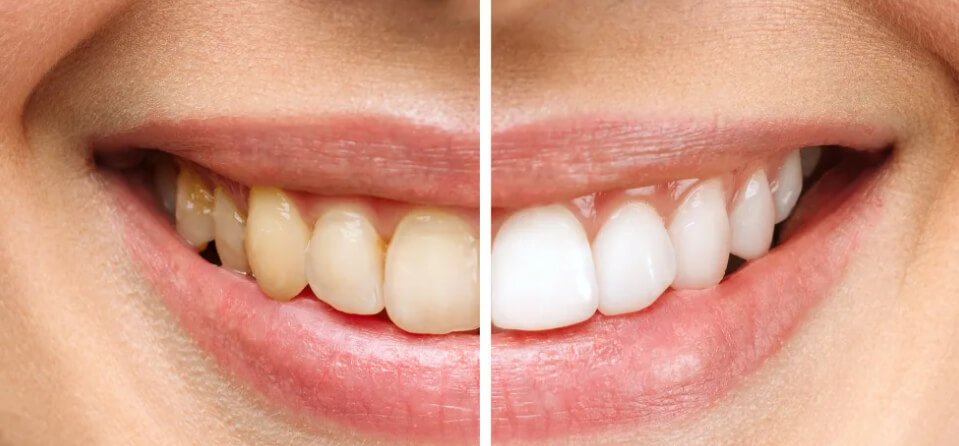
The first question is simple. Are you trying to change color, shape, or both? Whitening works best when your teeth are healthy and the main issue is surface or age related staining. The American Dental Association explains that tooth whitening can lighten teeth, but it does not change the color of crowns, veneers, or bonding materials. That matters if you already have dental work on front teeth, because the natural teeth may get lighter while restorations stay the same shade.
Bonding is different. A dentist applies a tooth colored resin to repair a chip, close a small gap, reshape an edge, or cover a spot that stands out. If one tooth is darker because of injury or internal discoloration, whitening may not give you the result you want. Bonding often handles that kind of cosmetic mismatch better.
This is why one of the most useful questions to ask before teeth whitening or bonding is whether the problem is cosmetic staining or a structural issue. If the problem is shape, whitening alone will leave you disappointed.
Your current dental health affects which cosmetic option makes sense
The next question is whether your teeth and gums are healthy enough for cosmetic treatment. If you have untreated decay, gum irritation, worn enamel, or tooth sensitivity, jumping straight into a cosmetic fix can make things worse or hide a problem that needs care first. MedlinePlus notes that tooth discoloration can have several causes, including medications, aging, smoking, and injury, which is why a proper exam matters before choosing a treatment for discolored teeth.
You may also be dealing with habits that affect the result. If you grind your teeth at night, bonding on front teeth can chip more easily. If your enamel is thin, whitening may increase sensitivity. A good cosmetic plan starts with the health of the tooth, not the photo you have in your head.
The result you want should guide the treatment choice
Ask yourself how noticeable the change needs to be. If you want an overall brighter smile for an event, whitening may be enough. If one corner tooth is chipped and catches light in every picture, bonding may give you more relief than whitening ever could. Some people need both. They whiten first, then match bonding to the new shade.
This is where many people get stuck. They ask which treatment is better, when the better question is which one matches the result they actually want. Dental bonding vs teeth whitening is not really a contest. They do different jobs, and sometimes the best answer is a combination plan.
Cost, upkeep, and lifespan deserve a clear comparison
Money matters, and so does maintenance. Whitening is usually less expensive at the start, but it may need touch ups because teeth can restain over time. Bonding often costs more per tooth, yet it can fix issues whitening cannot touch. It also needs care, because the resin can stain, chip, or wear down.
| Factor | Teeth Whitening | Dental Bonding |
| Main purpose | Lightens natural tooth color | Changes shape, repairs chips, masks some discoloration |
| Best for | General staining and yellowing | Small cracks, gaps, uneven edges, stubborn dark spots |
| Effect on existing dental work | Does not lighten bonding, crowns, or veneers | Can be color matched when placed |
| Longevity | Often needs periodic touch ups | Can last several years with good care |
| Common drawback | Sensitivity or uneven color if restorations are present | Can stain or chip, especially with grinding or nail biting |
Timing and lifestyle can change the right answer
If you have a wedding, interview, reunion, or photo session coming up, timing matters. Whitening can often refresh your smile quickly. Bonding may also be done in a short visit, but planning gets more detailed when color matching and bite adjustment are involved. If you drink a lot of coffee, tea, or red wine, both options need upkeep, though bonding can stain differently than natural enamel.
This is one of the more overlooked 7 questions to ask before choosing between teeth whitening and bonding. Can you maintain the result you are paying for? A cosmetic treatment only feels worth it when it still looks good months later.
Three steps you can take before booking cosmetic dental work
1. Write down what bothers you most. Be specific. Is it overall yellowing, one dark tooth, a chipped edge, or a gap that shows in photos? That gives your general and cosmetic dentist a clear starting point.
2. Ask for a full exam before any cosmetic treatment. You want to know if sensitivity, old fillings, grinding, or gum issues will affect the result. This is one of the smartest ways to decide between cosmetic dental treatments without wasting time or money.
3. Ask to see the treatment sequence. If you may need both procedures, ask which should come first and why. Many patients whiten before bonding so the final resin shade matches brighter natural teeth.
A cosmetic choice feels easier when the plan fits your teeth
You do not need to guess your way through this. If your goal is a brighter smile, whitening may be enough. If the issue is shape, chips, gaps, or deep discoloration, bonding may make more sense. If you need both, the order matters.
A thoughtful visit with a general and cosmetic dentist can narrow this down fast and save you from choosing a treatment that looks good in theory but does not solve the real problem. The best next step is a professional evaluation and a plan built around your teeth, your budget, and the result you want.