You notice it when you wake up, when you try to swallow, or when a simple conversation leaves your tongue feeling like sandpaper. A dry mouth can seem minor at first, but it wears on you fast. Food loses flavor, your breath changes, your throat gets scratchy, and even sleep can feel harder. If this has been happening more often, you are not imagining it. Dry mouth causes can range from everyday issues to health conditions that deserve attention. If you are also thinking about your oral health or want to schedule a Tidal Aligners consultation in Dearborn Heights, this may be a good time to talk with a dental professional.
Your mouth needs saliva to protect your teeth, wash away food, and keep the tissues in your mouth comfortable. When saliva drops, problems build quietly. Cavities can form faster, gums can get irritated, and dentures may stop fitting the way they should. The NIH overview of dry mouth explains that this symptom is often tied to an underlying cause, not just thirst.
Dry Mouth Often Starts With More Than Dehydration
Many people assume they just need more water. Sometimes that is true, but a mouth that feels dry day after day often points to something else. You might drink all afternoon and still feel sticky inside your cheeks. That gap between what you are doing and how you feel is usually the clue.
Mouth dryness conditions can affect the salivary glands directly, change the way your body manages fluids, or come from treatment for another illness. The result feels the same to you, but the reason behind it matters because the next step depends on it.
Medications Are One of the Most Common Dry Mouth Causes
Prescription and over the counter drugs are a leading reason people develop dry mouth. Antihistamines, antidepressants, blood pressure medicines, muscle relaxers, and many pain medicines can reduce saliva. You may start a new medication and only later connect it to the dry, burning feeling in your mouth.
This is one reason a general dentist often asks for your medication list. The symptom may not be a dental problem at its core, but it can still create dental damage if it goes unchecked.
Diabetes Can Leave Your Mouth Feeling Dry and Irritated
When blood sugar is not well controlled, dry mouth can show up along with thirst, fatigue, and frequent urination. Some people also notice a bad taste, mouth sores, or more plaque than usual. High blood sugar can make the mouth more prone to infection, including yeast infections, which adds burning and soreness on top of the dryness.
If your mouth has been persistently dry and you have other symptoms that feel off, this is worth raising with your medical provider.
Sjogren’s Syndrome Can Reduce Saliva at the Source
Sjogren’s syndrome is an autoimmune condition that often targets the glands that make saliva and tears. People with it often deal with dry eyes and a dry mouth at the same time. Eating dry foods becomes difficult, speaking for long periods gets uncomfortable, and cavities can appear even when brushing habits have not changed.
This kind of dryness usually does not improve with a glass of water alone because the issue is not just hydration. The glands themselves are affected.
Cancer Treatment Can Damage Salivary Glands
Radiation to the head or neck can injure salivary glands, sometimes for a long time. Chemotherapy can also change saliva and irritate the tissues in your mouth. If you are already dealing with cancer treatment, a dry mouth may feel like one more thing on top of too many things, but it deserves care because it can affect eating, comfort, and oral health. The National Cancer Institute guide to oral complications outlines how treatment can change the mouth and why early support helps.
Mouth Breathing and Sleep Issues Can Dry the Mouth Overnight
If your mouth feels worst in the morning, breathing through your mouth during sleep may be part of the problem. Nasal congestion, allergies, a deviated septum, and sleep apnea can all push you into mouth breathing. You sleep for hours with airflow drying the tissues, then wake up thirsty, sticky, and sometimes with a sore throat.
This is one of those causes people miss because it happens while they are asleep. A dental exam can sometimes spot clues such as tissue irritation or patterns linked to nighttime grinding and airway issues.
Nerve Damage and Salivary Gland Problems Can Change Saliva Flow
Injuries or conditions that affect nerves in the head and neck can interfere with saliva production. Salivary gland stones, infections, or blockages can do the same. You may notice one side of the mouth feels different, or that eating triggers pain near the jaw or under the tongue. That pattern matters because it points away from simple dehydration and toward a structural problem.
Smoking, Alcohol, and Dehydration Can Make Dry Mouth Worse
Tobacco and alcohol both dry the mouth. Caffeine can add to the problem in some people. So can vomiting, fever, diarrhea, or not drinking enough fluids. These causes may sound more obvious, but they can still become serious when they stack on top of medication use or an existing health issue.
The MedlinePlus dry mouth resource also notes that dry mouth can raise your risk for tooth decay, gum disease, and mouth infections. That is why the symptom deserves attention even when the cause seems simple.
Common Dry Mouth Conditions and What They Often Look Like
| Condition or Cause | Common Clues | Why It Matters |
|---|---|---|
| Medication side effect | Dryness starts after a new drug or dose change | Can increase cavities and discomfort quickly |
| Diabetes | Thirst, fatigue, frequent urination, mouth irritation | May signal blood sugar is not well controlled |
| Sjogren’s syndrome | Dry eyes and dry mouth together | Often needs medical and dental management |
| Cancer treatment | Dryness during or after radiation or chemotherapy | Can affect eating, speech, and tooth health |
| Mouth breathing or sleep apnea | Worse in the morning, sore throat on waking | May point to an airway or sleep issue |
| Salivary gland blockage or nerve issue | Pain, swelling, one sided symptoms | Needs targeted evaluation |
| Smoking, alcohol, dehydration | Dryness linked to habits or illness | Often improves with changes, but may hide another cause |
What You Can Do Right Away When Your Mouth Feels Dry
Track the pattern. Notice when the dryness is worst, what medications you take, whether you wake up with it, and whether you also have dry eyes, thirst, or mouth pain. A short list of symptoms often reveals more than memory does in the exam room.
Protect your mouth now. Sip water often, use sugar free gum or lozenges if your dentist says they are safe for you, avoid tobacco and alcohol based mouth rinses, and keep up with fluoride toothpaste. Dryness lowers your natural protection, so your teeth need more support.
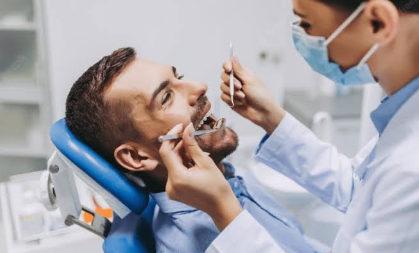
Schedule a dental checkup. A general dentist can check for early decay, gum irritation, fungal infection, and signs that point to a broader health issue. If your dry mouth is tied to medicine, sleep problems, or a medical condition, dental findings can help guide the next conversation with your physician.
Relief Starts With the Right Cause
A dry mouth is easy to brush off until it starts affecting how you eat, sleep, speak, and feel. If it keeps coming back, there is usually a reason. Finding that reason can protect your comfort and your teeth at the same time. If your mouth feels dry often, schedule a visit with a dentist and get a clear look at what is driving it.