Introduction
Controlling the flow behavior and stability of industrial materials is a major challenge across many manufacturing sectors. Products such as coatings, adhesives, sealants, inks, and composites require precise viscosity control to ensure proper application, storage stability, and long-term performance. Traditional thickening methods often provide only viscosity improvement, but modern industries increasingly require multifunctional additives that can deliver several benefits at the same time.
A fumed silica thickening agent has become an important solution because of its ability to modify rheological properties while also improving reinforcement, stability, and processing performance. Unlike conventional thickeners, fumed silica works through its unique nanoscale structure and high surface activity, allowing it to create a three-dimensional network within different formulations.
From improving coating consistency to enhancing adhesive strength, fumed silica provides valuable advantages across multiple industries. Understanding how this material works and where it is applied helps manufacturers select effective solutions for advanced product development.
Understanding Fumed Silica as a Thickening Material
What Is Fumed Silica?
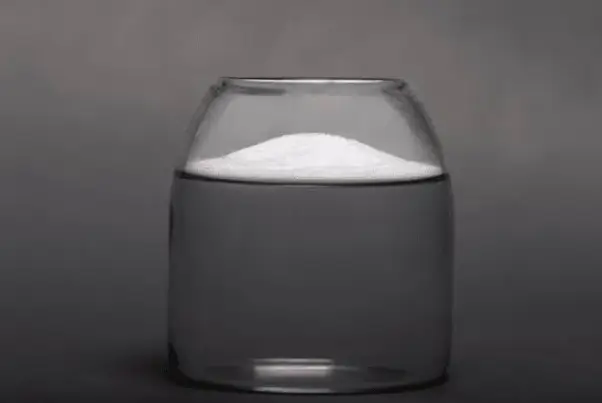
Fumed silica is a high-purity silicon dioxide material produced through a flame hydrolysis process. During production, extremely small silica particles are formed and connected into a three-dimensional structure.
These nanoparticles have a very high surface area, which allows them to interact strongly with liquid and solid components in different formulations.
Because of its unique structure, fumed silica is not only used as a filler but also as a functional additive that changes material behavior.
How Does Fumed Silica Work as a Thickener?
The thickening ability of fumed silica comes from the formation of a network between silica particles. When added to a liquid system, the particles interact with each other and create a structure that increases viscosity.
This network can control:
- Flow behavior
- Settling resistance
- Sag prevention
- Suspension stability
The result is a formulation that remains stable during storage while maintaining suitable application characteristics.
Key Functional Benefits of Fumed Silica Thickening Agents
Effective Viscosity Control
One of the primary reasons industries use fumed silica is its excellent ability to control viscosity.
In liquid formulations, uncontrolled flow can create problems such as dripping, uneven application, or separation of components. Fumed silica increases viscosity without significantly changing other important properties.
This makes it valuable in products where precise flow control is required.
Preventing Material Settling
Many industrial formulations contain pigments, fillers, or solid particles that naturally settle over time. This can reduce product quality and create inconsistency during use.
Fumed silica creates a stable internal structure that keeps particles suspended. This improves storage stability and ensures uniform performance throughout the product lifespan.
Improving Sag Resistance
Sagging occurs when coatings or adhesives flow downward after application, resulting in uneven thickness and poor appearance.
A fumed silica thickening agent improves the structure of liquid materials, allowing them to maintain their position after application.
This property is particularly important for:
- Vertical surface coatings
- Construction adhesives
- Industrial paints
- Sealants
Enhancing Mechanical Performance
Unlike many traditional thickeners, fumed silica can also improve the mechanical properties of materials.
Its nanoparticles reinforce the internal structure of polymers and composites, increasing strength and durability.
Benefits may include:
- Improved tensile strength
- Better wear resistance
- Enhanced toughness
- Increased structural stability
This multifunctional behavior makes fumed silica highly valuable in advanced formulations.
Applications of Fumed Silica Thickening Agents
Coatings and Paints Industry
The coating industry is one of the largest users of fumed silica as a rheology modifier.
Improving Application Quality
Paints and protective coatings require controlled viscosity to achieve smooth and uniform application.
Fumed silica helps prevent dripping, improves leveling behavior, and maintains coating consistency.
Enhancing Coating Stability
During storage, coating components may separate or settle. Fumed silica reduces these issues by creating a stable internal network.
This improves shelf life and ensures better performance during application.
Adhesives and Sealants
Adhesive manufacturers use fumed silica to achieve the desired thickness and handling properties.
Better Handling Performance
A properly thickened adhesive is easier to apply and control. Fumed silica prevents excessive flow while maintaining bonding ability.
Improved Bond Strength
The reinforcing effect of silica particles can improve the durability and mechanical strength of adhesive systems.
This is especially important in construction, automotive, and industrial bonding applications.
Silicone Products
Silicone-based materials often require specialized additives to achieve suitable consistency and performance.
Hydrophobic fumed silica is commonly used in silicone systems because it provides excellent compatibility and moisture resistance.
Applications include:
- Silicone sealants
- Silicone rubber products
- Protective materials
Printing Inks
Printing inks require precise flow control to achieve high-quality results.
Fumed silica helps control viscosity, improve dispersion, and maintain consistent ink performance during storage and printing processes.
Construction Materials
Construction products such as repair compounds, sealants, and specialty mortars benefit from improved stability and handling properties provided by fumed silica.
It helps create materials with better workability and durability.
Advantages Compared With Traditional Thickening Agents
Traditional thickening agents often focus mainly on increasing viscosity. However, modern industries require materials that provide additional functional improvements.
A fumed silica thickening agent offers several advantages:
- Multifunctional performance
- Better thermal stability
- Improved mechanical reinforcement
- Excellent chemical resistance
- Enhanced storage stability
- Compatibility with various formulations
This makes it a preferred choice for advanced material development.
Factors Affecting Thickening Performance
Silica Concentration
The amount of fumed silica added directly affects viscosity and flow behavior. The optimal concentration depends on the formulation and desired performance.
Too little may provide insufficient thickening, while excessive amounts may affect processing.
Dispersion Quality
Proper dispersion is essential for achieving maximum thickening efficiency.
Poor mixing can lead to uneven distribution and reduced performance.
See also: What online casino platforms can learn from better tech design
Surface Properties
Different fumed silica grades have different surface characteristics. Hydrophilic and hydrophobic versions are selected according to the compatibility requirements of specific systems.
Manufacturers must choose the appropriate type based on their formulation needs.
Industries seeking advanced rheology solutions can explore the benefits of a fumed silica thickening agent for improving material performance and stability.
Future Development of Fumed Silica-Based Thickeners
The demand for multifunctional additives continues to grow as industries focus on efficiency, sustainability, and improved product performance.
Future developments in fumed silica technology are expected to include customized surface treatments, improved dispersion techniques, and environmentally friendly formulations.
Advanced applications in energy storage, smart materials, electronics, and high-performance coatings may further increase the importance of fumed silica-based thickening systems.
FAQs
1. Why is fumed silica used as a thickening agent?
Fumed silica is used as a thickening agent because its nanoparticles form a three-dimensional network that increases viscosity and improves material stability.
2. Which industries use fumed silica thickening agents?
They are widely used in coatings, adhesives, sealants, silicone products, printing inks, polymers, and construction materials.
3. Does fumed silica only increase viscosity?
No. Besides thickening, fumed silica also improves reinforcement, stability, suspension, mechanical strength, and resistance properties.
Conclusion
Fumed silica has become an important multifunctional thickening solution for modern industrial formulations. Its unique nanoscale structure allows it to provide effective viscosity control while delivering additional benefits such as reinforcement, stability improvement, and enhanced durability.
From coatings and adhesives to silicone products and construction materials, the use of a fumed silica thickening agent helps manufacturers create products with better performance and reliability. As industries continue searching for advanced material solutions, fumed silica will remain a valuable additive for developing high-quality and efficient formulations.