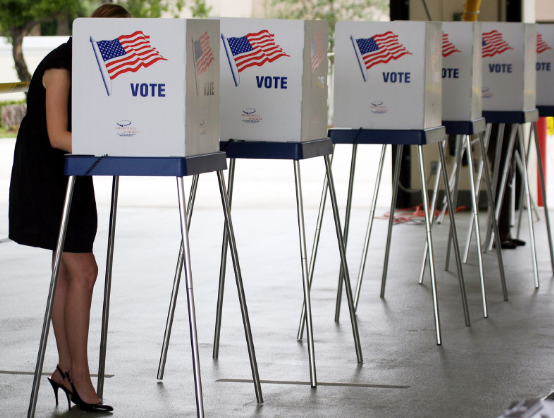
Blockchain offers tamper-evident, auditable records for voting, enhancing transparency while preserving voter privacy through selective disclosure and cryptographic techniques. It enables end-to-end integrity checks and verifiability without exposing identities. Real-world adoption faces scalability and interoperability hurdles, yet standardized protocols and robust auditing can mitigate these concerns. The balance between transparency and privacy will shape outcomes, leaving open questions about implementation, governance, and verification that merit further examination.
What Blockchain Voting Is and Why It Matters
Blockchain voting refers to the use of distributed ledger technology to record, verify, and store cast ballots in a tamper-evident manner.
The analysis highlights topic relevance by linking ballot integrity to public trust, while recognizing governance tradeoffs between transparency and control.
Proponents argue efficiency and auditability; skeptics call for careful standards, interoperability, and clear accountability to prevent unintended centralization or coercive influence.
How Blockchain Ensures Privacy, Security, and Auditability
Privacy, security, and auditability are central to evaluating blockchain-based voting systems. The analysis emphasizes privacy preservation through selective disclosure and cryptographic techniques such as zero-knowledge proofs and commitments, which protect voter identities while validating ballots.
Security rests on decentralization, tamper-evident ledgers, and robust consensus.
Auditability emerges from transparent yet privacy-respecting records, enabling independent verification without exposing individual votes.
Real-World Challenges and How to Overcome Them
Real-world deployment of blockchain-based voting faces practical hurdles that extend beyond theoretical guarantees, including scalability, interoperability with existing election systems, and the governance of decentralized networks. The analysis highlights tradeoffs between speed and security, urging transparent standards and standardized interfaces.
Vote authenticity hinges on robust cryptographic proofs, while voter education ensures comprehension of procedures, bolstering trust and reducing confusion in diverse communities.
Implementing Blockchain Voting: Steps, Stakeholders, and Metrics
What concrete steps are required to implement blockchain voting in practice, and who must be involved to ensure legitimacy, interoperability, and accountability? Implementing blockchain voting demands clear governance, standardized protocols, legal alignment, and robust auditing. Key stakeholders include election officials, technologists, security experts, and civil society. Metrics assess privacy concerns, voter accessibility, system resilience, and verifiability, balancing transparency with confidentiality to preserve freedom and trust.
Frequently Asked Questions
How Do Voters Verify Their Ballot on a Blockchain?
In practice, voters verify ballots by checking cryptographic proofs tied to digital identity, ensuring auditability and voter privacy; consensus mechanisms confirm inclusion, while transparent ledgers support independent verification, though privacy-preserving techniques must balance accessibility with risk to freedom.
Can Blockchain Voting Prevent Coercion and Vote Sharing?
Blockchain voting shows potential for coercion resistance through cryptographic privacy and auditability, yet practical prevention of vote sharing remains challenging; designs must balance coercion resistance with transparency, privacy protections, and voter education to support freedom-oriented democratic assessments.
What Are the Costs of Implementing Blockchain Voting?
The costs of implementing blockchain voting involve upfront infrastructure, maintenance, and specialized personnel, balanced against ongoing operational expenses; however, cost benefit analyses and risk mitigation considerations suggest value in secure, auditable ballots aligned with freedom-minded governance.
See also: The Role of Technology in Organizational Innovation
How Scalable Is Blockchain Voting for Large Elections?
Blockchain voting faces scalability concerns as vote volumes surge, requiring layered architectures, off-chain validation, and consensus optimization. Governance challenges emerge from decentralization, standards fragmentation, and stakeholder alignment, yet pragmatic integration with existing systems can preserve election integrity and voter access.
What Happens if a Node Goes Offline During Voting?
An offline node may halt local processing, but network protocols preserve integrity through redundancy; offline node resilience relies on quorum verification and ballot verification methods, ensuring continued verification, synchronization, and auditability once connectivity is restored, without undermining voter freedom.
Conclusion
Blockchain voting offers a principled path to tamper-evident, auditable elections while preserving voter privacy through advanced cryptography. Its strength lies in verifiability and governance transparency, tempered by real-world constraints like scalability and interoperability. Pragmatic implementation demands standardized protocols, robust auditing, stakeholder collaboration, and clear metrics for privacy, security, and performance. The takeaway is that, when designed thoughtfully, blockchain voting can strengthen trust and resilience—like a well-built bridge—yet only if rigorous safeguards and ongoing evaluation are maintained.