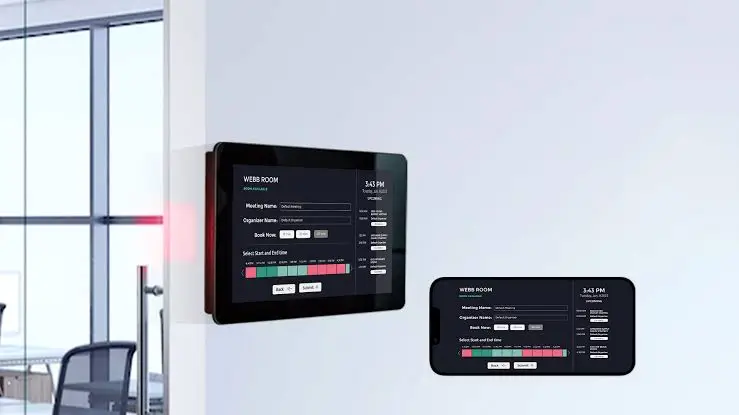
The shift toward hybrid work has fundamentally changed how organizations need to think about their physical office space, and this changing reality has made intelligent room booking technology considerably more important than it was in the era of fully in-office, predictable attendance patterns.
Why Hybrid Work Complicates Space Management
When employees split their time between home and office on varying schedules, predicting how many people will actually be in the building on any given day, and consequently how much meeting space will genuinely be needed, becomes considerably more difficult than it was under traditional full-time office attendance patterns.
How Booking Systems Adapt to Fluctuating Attendance
A capable room booking system provides the real-time visibility organizations need to manage this fluctuating demand effectively, allowing teams to see actual current availability rather than relying on outdated assumptions about how space typically gets used.
Supporting Coordinated In-Office Collaboration Days
Many organizations have adopted structured approaches encouraging teams to coordinate their in-office days for maximum collaboration value, and booking systems play a valuable supporting role by helping these teams actually secure appropriate meeting space when they do come together in person.
Right-Sizing Office Space Based on Actual Usage Data
The utilization data captured by modern booking systems helps organizations make more informed decisions about their actual space needs under hybrid work patterns, potentially revealing opportunities to right-size their office footprint based on genuine usage patterns rather than outdated assumptions.
Reducing Friction for Occasional Office Visitors
Employees who only come into the office periodically under hybrid arrangements particularly benefit from straightforward booking systems, since they’re less likely to have built up the informal knowledge of room availability patterns that more consistently in-office employees might have developed.
Managing Different Room Types for Different Needs
Hybrid work often changes how different meeting spaces get used, with some rooms serving primarily hybrid meetings requiring specific video conferencing equipment, making booking systems that account for these different room capabilities and requirements particularly valuable in this new working environment.
See also: How an SEO Agency Hong Kong Helps Companies Build a Strong Digital Presence
Balancing Flexibility With Predictability
While hybrid work introduces genuine unpredictability into office attendance, a well-implemented booking system helps organizations maintain enough predictability in their meeting space allocation to support effective planning, even amid this broader flexibility.
Preparing for Continued Evolution in Work Patterns
As hybrid work arrangements continue evolving across many organizations, having flexible, adaptable room booking technology in place helps facilities teams respond to changing needs without requiring entirely new systems each time work patterns shift further.
Conclusion
Hybrid work has made intelligent room booking technology considerably more valuable, providing the real-time visibility and utilization data organizations need to manage fluctuating office attendance and evolving space needs effectively. This adaptability supports better decision-making as work patterns continue to evolve.
FAQs
Q1: Why does hybrid work make room booking systems more important than before? Fluctuating, less predictable office attendance makes it harder to manage meeting space manually, making real-time visibility into actual current availability considerably more valuable.
Q2: How can utilization data from booking systems help with office space planning? This data reveals genuine usage patterns under hybrid work, potentially helping organizations right-size their office footprint based on actual needs rather than outdated assumptions.
Q3: Do occasional office visitors particularly benefit from booking systems? Yes, employees who come in less frequently under hybrid arrangements especially benefit, since they’re less likely to have built up informal knowledge of room availability patterns.