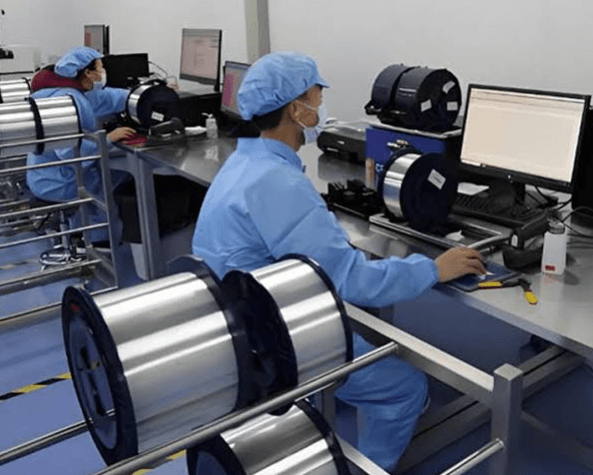
China has become one of the world’s largest production hubs for optical products, supplying everything from consumer binoculars to advanced tactical sighting systems. For international buyers considering a partnership with a Chinese optics manufacturer, understanding the landscape can help avoid common pitfalls and identify genuinely capable production partners.
Why China Dominates Global Optics Manufacturing
Established Supply Chain Infrastructure
Decades of manufacturing investment have created dense clusters of component suppliers, machining specialists, and skilled labor within specific regions of China. This concentration allows optics manufacturers to source materials and specialized services efficiently, often resulting in shorter production timelines than manufacturers operating in regions without similar infrastructure.
Scale and Cost Efficiency
Large-scale production capacity allows many Chinese manufacturers to offer competitive pricing without necessarily sacrificing quality, provided buyers select factories that have invested appropriately in equipment, testing, and skilled personnel rather than cutting corners to minimize costs.
Distinguishing Capable Manufacturers From Low-Quality Suppliers
Manufacturing Certifications and Standards Compliance
Reputable manufacturers typically maintain relevant quality management certifications and can provide documentation demonstrating compliance with international standards relevant to the buyer’s target market, whether in North America, Europe, or elsewhere.
Factory Audits and Verification
Buyers unfamiliar with sourcing from China are often well served by conducting factory audits, either in person or through third-party inspection services, before committing to large production orders. This step helps verify that a manufacturer’s actual capabilities match what has been represented during sales discussions.
Communication Considerations
Language and Cultural Differences
While many Chinese manufacturers employ English-speaking sales and engineering staff, communication clarity can still occasionally present challenges, particularly around technical specifications. Working with manufacturers experienced in serving international clients typically results in smoother communication throughout the production process.
Time Zone Coordination
Buyers should plan for the practical realities of time zone differences when establishing communication expectations with a Chinese manufacturing partner, building in reasonable response time windows rather than expecting immediate replies during their own business hours.
Navigating Intellectual Property Considerations
Protecting Proprietary Designs
Buyers developing custom or proprietary optical products should discuss intellectual property protections clearly with potential manufacturing partners before sharing detailed design specifications, including appropriate contractual agreements where necessary.
Working With Established, Reputation-Conscious Manufacturers
Manufacturers with an established international client base and a genuine interest in long-term business relationships generally have stronger incentives to respect client intellectual property than smaller, less established operations focused purely on short-term transactions.
For buyers researching manufacturing capabilities and product offerings from an established supplier in this space, information is available through chinese optics manufacturer resources detailing production processes and available product lines.
Logistics and Import Considerations
Shipping and Freight Planning
International shipments of optical products require careful planning around freight options, insurance, and delivery timelines. Manufacturers experienced in exporting typically offer guidance on the most efficient shipping methods based on order size and destination.
Customs Documentation and Compliance
Different countries maintain varying import requirements for optical and electronic components. Manufacturers familiar with these requirements can help buyers avoid unexpected delays or additional costs at customs checkpoints.
Building Trust Through Incremental Orders
Starting With Smaller Trial Orders
Many experienced buyers recommend starting with smaller trial orders before committing to large production runs, allowing both parties to establish trust and work through any initial communication or quality adjustments on a manageable scale.
Evaluating Consistency Across Multiple Orders
A manufacturer’s true reliability often becomes clearer after several production cycles, as consistency across multiple orders reveals whether initial quality standards are maintained over time or gradually decline once a relationship is established.
Frequently Asked Questions
Is it necessary to visit a Chinese manufacturing facility in person before placing an order? While not always required, an in-person visit or third-party factory audit can provide valuable reassurance, particularly for larger production commitments.
How can buyers protect proprietary product designs when working with overseas manufacturers? Clear contractual agreements, combined with working alongside established manufacturers with strong reputations, help reduce intellectual property risks.
What is a reasonable approach for buyers new to sourcing from China? Starting with smaller trial orders allows buyers to evaluate quality, communication, and reliability before committing to larger production volumes.
See also: What online casino platforms can learn from better tech design
Conclusion
Partnering with a Chinese optics manufacturer can offer significant advantages in terms of cost efficiency and production capability, provided buyers conduct appropriate due diligence. Careful evaluation of certifications, communication practices, and production consistency helps international buyers build successful, long-term manufacturing relationships.