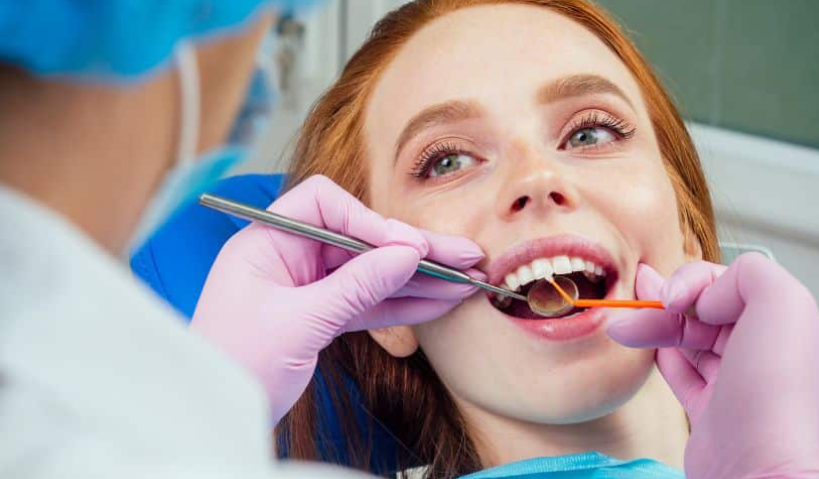
You can brush your child’s teeth every night, buy the fun toothpaste, cut back on juice, and still end up hearing that there’s a cavity. That feels frustrating fast. A lot of parents are not dealing with a lack of effort. They are dealing with a child who fights brushing, snacks constantly, sucks a thumb, fears the dentist, or simply has a mouth that needs closer watch, which is why seeing a kids dentist in Killeen can help.
That is where how pediatric dentists work with parents to build positive habits becomes more than a nice idea. It is the daily work of turning stress into a plan your child can actually follow. A good pediatric dentist does not just clean teeth and point out problems. They coach, watch patterns, adjust routines, and help you build habits that fit real family life.
Pediatric dental care works best when parents are part of the plan
Children do not build oral health routines on their own. They learn them from repetition, modeling, and structure. A pediatric dentist sees how a child’s teeth are developing, but they also look at behavior. Is brushing rushed before school. Does your child graze all day. Are they breathing through their mouth at night. Is a small fear turning every visit into a struggle.
Parents usually see the home side of the problem, while the dentist sees the clinical side. Put those together and the advice gets much more useful. Instead of hearing “brush better,” you get a clearer plan. Brush with a smear or pea sized amount of fluoride toothpaste based on age, help your child brush until they have the hand skill to do it well, and time snacks so teeth are not under constant sugar attack. The CDC’s oral health tips for children line up with this approach because prevention works best when it happens every day at home.
This is also why building healthy dental habits with a pediatric dentist tends to work better than trying to solve everything after pain starts. Once a child associates dental care with discomfort, the emotional part gets harder. Prevention is cheaper, calmer, and easier to repeat.
Small daily patterns create bigger dental problems than most parents expect
A child does not need a bag of candy every day to develop tooth decay. Frequent crackers, sticky fruit snacks, juice in a sippy cup, milk after brushing, and quick toddler brushes can do plenty of damage over time. The hard part is that these habits often look normal. They fit busy mornings, car rides, daycare pick up, and bedtime when everyone is tired.
That is why a pediatric dentist often asks detailed questions that seem unrelated at first. What does your child drink before bed. How often do they snack. Do they clench. Have they had trouble latching or chewing. Those details matter because oral health is tied to routine, not just the two minutes at the sink.
Many parents also run into mixed messages. One family member says baby teeth do not matter because they fall out. Another says a child should brush alone to learn independence. A pediatric dentist clears that up. Baby teeth hold space for adult teeth, support speech and chewing, and untreated decay can cause pain and infection. Young children also need hands on help longer than most people think.
Parents and pediatric dentists creating oral health routines often looks simple from the outside, but it usually involves trial and adjustment. A child who hates mint may do fine with a mild flavor. A child who gags with a larger brush head may cooperate with a smaller one. A child who melts down at night may do better brushing earlier, then having only water before bed.
Professional support changes what happens at home
The biggest value a pediatric dentist brings is not just treatment. It is pattern recognition. They can spot enamel weakness, bite issues, crowded areas that trap food, and early white spots that signal decay before a cavity fully forms. That gives you a chance to change course early.
They also help children feel safe in the chair. That matters more than people realize. If your child trusts the office, they are more likely to accept coaching, open their mouth, and see dental care as routine instead of scary. You are not just preventing cavities. You are shaping their long term relationship with health care.
For a broad parent friendly overview of child dental health basics, MedlinePlus is a solid resource. It supports what pediatric dentists already teach in practice, which is that home habits and regular visits work together.
See also: Your Career in Hong Kong Starts with the Right Visa
Home care and pediatric dentist support do different jobs
| Situation | Home Routine Alone | With a Pediatric Dentist |
| Brushing resistance | Parents may rely on reminders or force, which can turn brushing into a nightly battle. | The dentist can suggest age based techniques, positioning, flavor changes, and behavior cues that reduce conflict. |
| Early decay signs | Small white spots or enamel changes are easy to miss. | Early signs can be found before pain starts, which may prevent larger treatment later. |
| Diet habits | Parents may focus only on sugar quantity. | The dentist often catches frequency issues, bedtime drinks, and sticky foods that raise cavity risk. |
| Fear of dental visits | Avoidance can grow after one hard visit. | Child centered communication and gradual exposure can build comfort over time. |
| Long term costs | Skipping preventive care can lead to fillings, urgent visits, or more involved treatment. | Regular monitoring often lowers the chance of bigger and more expensive problems. |
Three steps parents can take right away
1. Audit the routine you already have. Look at what happens between dinner and bedtime, how often your child snacks, and whether brushing is truly supervised. Most problems show up there first. Write down one week of real habits, not ideal habits.
2. Make brushing easier, not stricter. If brushing is a fight, change the setup. Try brushing with your child, using a stool and mirror, switching toothpaste flavor, or moving the timing earlier in the evening. Children repeat what feels predictable.
3. Use dental visits as coaching, not report cards. Bring specific questions. Tell the dentist where your child resists, what foods they love, and what you cannot get consistent at home. That is how pediatric dental care becomes practical help instead of generic advice.
Positive habits grow faster when the plan fits your child
You do not need a perfect routine. You need one your child can repeat and one you can sustain when life is busy. That is the real value in how pediatric dentists work with parents to build positive habits. They help turn guesswork into habits, and habits into protection.
If your child’s brushing routine feels shaky, if snacks and bedtime are getting messy, or if you are seeing signs that something is off, a pediatric dentist can help you build a plan that feels manageable and clear.