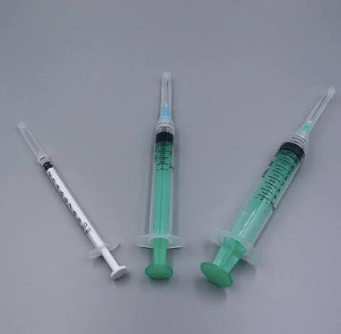
For clinic managers and procurement officers, keeping track of syringe types can feel like alphabet soup: Luer lock, Luer slip, catheter tip, tuberculin, insulin, safety-engineered. This quick reference cuts through the jargon so purchasing decisions are based on function rather than guesswork.
Start With the Task, Not the Catalog
Instead of browsing a supplier catalog and picking what looks familiar, start by listing the actual procedures your facility performs weekly. Injections, infusions, wound irrigation, and feeding tube maintenance all call for different syringe traits.
Connector Type Comparison
Luer lock connectors thread and lock into place, ideal anywhere pressure or accidental disconnection is a concern. Luer slip connectors are faster to attach and detach but can pop off under pressure, making them unsuitable for infusions.
Volume and Graduation Precision
Fine graduation marks matter most in low-volume, high-precision dosing such as insulin or pediatric medication. Coarser graduations are acceptable for larger-volume tasks like irrigation, where exact fractions of a milliliter aren’t clinically significant.
Safety Compliance Features
Regulatory guidance in many regions now pushes facilities toward safety-engineered syringes with needle-retraction or shielding mechanisms, which should factor into any bulk purchasing decision.
See also: The Role of Technology in Organizational Innovation
Cost vs Convenience Trade-offs
Prefilled and safety-engineered syringes cost more per unit but often reduce waste, error rates, and injury-related liability, which can offset the higher sticker price over time.
Additional Resource
Before placing a bulk order, it’s worth reviewing syringe types to make sure your shortlist actually matches your department’s procedure mix.
Frequently Asked Questions
How do I know how many syringe types my clinic actually needs?
Audit the procedures performed over a typical month and match syringe features to those tasks rather than stocking every available variant.
Are safety-engineered syringes required by law?
Requirements vary by region and facility type, but many workplace safety regulations strongly encourage or mandate them to reduce sharps injuries.
Do cheaper syringes perform worse clinically?
Not necessarily, but inconsistent quality control on very low-cost options can lead to plunger stiffness or seal issues, so sourcing from a reliable supplier matters.
Conclusion
A smart syringe purchasing strategy starts with your actual clinical workload, not a generic list of available products. Once you map procedures to connector type, volume, and safety features, the buying decision becomes far less confusing and far more cost-effective.