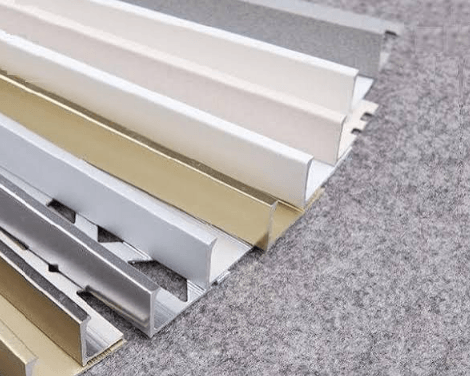
Walk past almost any modern commercial building or newly renovated home, and there is a good chance you are looking at coated aluminum trim without even realizing it. It wraps window frames, lines rooflines, and forms the crisp edges that give a building its finished appearance. Despite being so common, the differences between a high-quality coated product and a mediocre one are rarely discussed outside of the trades that work with it directly.
What “Coated” Actually Means in Practice
Raw aluminum, while naturally corrosion-resistant to a degree, is rarely used in exposed trim applications without additional surface treatment. The coating process typically involves cleaning and pretreating the aluminum surface before applying a paint or resin-based finish, which is then cured under controlled conditions. This process is what gives the material its long-term color retention and resistance to environmental damage.
The quality of this process varies considerably between manufacturers. Some use premium coating systems designed to withstand decades of UV exposure and temperature cycling, while others apply thinner or lower-grade coatings that may look identical on day one but degrade noticeably within just a few years.
Why Buyers Often Cannot Tell the Difference at Purchase
This is perhaps the most frustrating aspect of sourcing coated aluminum trim: two products can appear virtually identical in a showroom or sample book, yet perform very differently once installed. Coating thickness, cure quality, and pretreatment steps are not visible to the naked eye, which means buyers are largely dependent on trusting the manufacturer’s stated specifications and testing documentation.
This is why working with suppliers who provide transparent technical data sheets, rather than vague marketing descriptions, is so valuable. A data sheet detailing coating thickness, gloss retention testing, and salt spray resistance gives buyers something concrete to compare rather than relying on assumptions.
Common Applications Where Coating Quality Is Most Critical
Certain applications place far greater demands on coating performance than others. Trim used in coastal regions faces constant exposure to salt-laden air, which accelerates corrosion if the coating or underlying pretreatment is inadequate. Similarly, trim installed in regions with intense sun exposure needs coatings specifically formulated to resist UV-related fading and chalking over time.
Buyers working on projects in these more demanding environments often benefit from sourcing directly from manufacturers who understand these use cases, rather than general suppliers who treat all coated trim as interchangeable. Specialized producers of coated aluminum trim typically offer clearer guidance on which coating grade suits a given climate or application.
The Role of Color Consistency in Larger Projects
For projects involving significant quantities of trim, color consistency across production batches becomes a practical concern rather than just an aesthetic preference. Slight variations between batches, while sometimes within acceptable industry tolerances, can become visually noticeable on large facades when panels sit side by side. Confirming batch consistency before large orders are placed can prevent costly rework later.
Installation Considerations That Affect Long-Term Appearance
Even the best coated trim can underperform if handled or installed incorrectly. Scratches introduced during transport or installation can compromise the coating’s protective barrier, allowing corrosion to begin at those points long before the rest of the material shows any wear. Proper handling procedures, along with touch-up products supplied by the manufacturer for minor field damage, are worth discussing before a project begins.
See also: Working With a Chinese Optics Manufacturer: What International Buyers Should Know
Frequently Asked Questions
How long should a good coating on aluminum trim realistically last?
High-quality coatings are often rated for 20 years or more of color retention under normal conditions, though actual performance depends heavily on climate and maintenance.
Can coated aluminum trim be repainted if it fades over time?
In many cases yes, though proper surface preparation is essential, and results depend on the original coating type and condition.
Does a higher price always indicate a better coating?
Not always, but extremely low prices relative to market norms are often a signal of thinner coatings or shortcuts in the pretreatment process, so it is worth asking for documentation rather than assuming.
Final Thoughts
Coated aluminum trim plays a quiet but important role in how a building looks and performs over its lifetime. Paying attention to coating specifications and sourcing from manufacturers who can back up their claims with real testing data helps ensure that quiet role is played well for decades, not just for the first few years.